How to Choose a VPN: What Actually Matters Before You Pay
A VPN shifts trust from your internet provider to the VPN company, so the logging policy, audits, protocol, and kill switch matter more than server counts or sale prices.
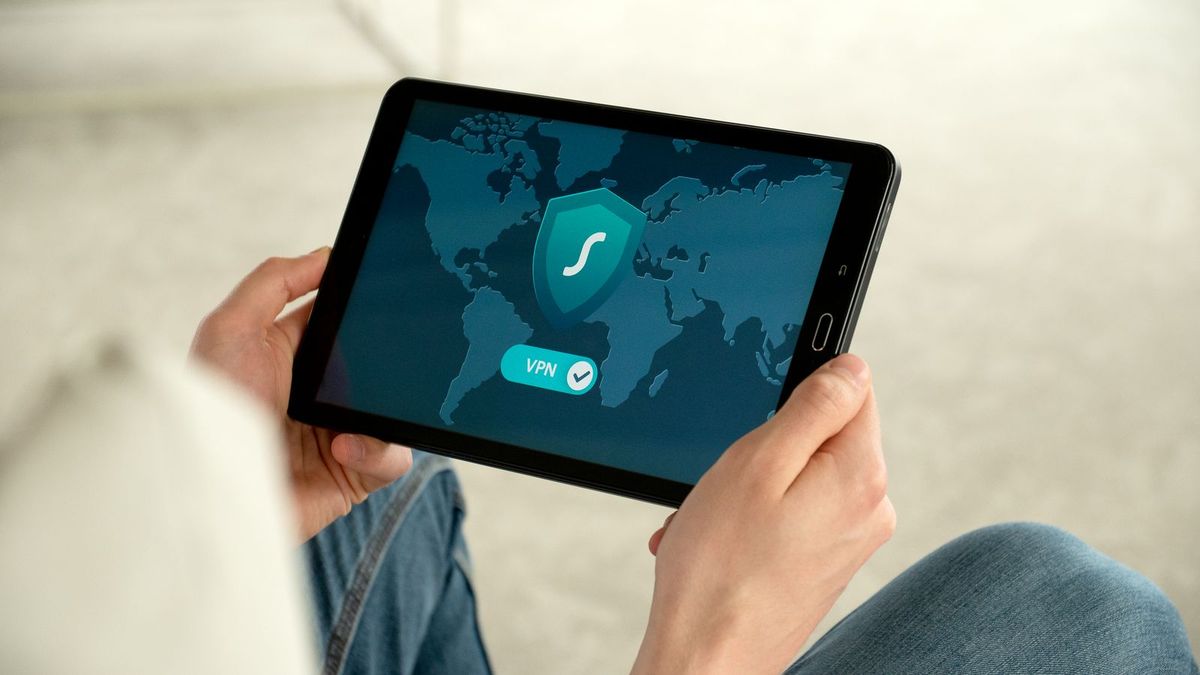
A virtual private network encrypts the traffic leaving your device and routes it through a server run by the VPN company. Your internet provider can no longer see which sites you visit, and websites see the VPN server's address instead of yours. That is the whole job. A VPN does not make you invisible online, and it does not protect you from scam websites or phishing emails. Because you are handing all of your traffic to one company, choosing a provider is mostly an exercise in checking whether its promises can be verified.
Start with the logging policy, and demand proof
The single most important factor is what the provider records. A no-logs policy means the company does not keep records of your browsing history, connection times, or IP address. The problem is that any company can write those words on a pricing page. What separates a real policy from marketing is verification: an independent audit by a named firm, with a published report you can read. The strongest evidence of all is a provider whose policy has been tested in court, where a legal order produced no usable records because there were none to hand over.
When you compare providers, look for the audit report itself, not just a badge. Check the date, the auditing firm, and what exactly was examined. A provider that publishes audits regularly is showing its work. One that only says "no logs" in bold letters is asking you to take its word for it.
Encryption and protocol: the technical floor
Your provider should use AES-256 encryption as its baseline, the cipher most reputable services rely on. The protocol — the set of rules that builds the encrypted tunnel — matters just as much. WireGuard is the right default for most people today: it is fast, it reconnects cleanly when your phone switches networks, and its codebase is roughly 4,000 lines, compared with more than 70,000 lines for OpenVPN, which makes it far easier to audit. OpenVPN remains a solid choice, especially on restrictive networks, because it can run over TCP on port 443, where it blends in with ordinary web traffic.
Avoid any service that still relies on PPTP. That protocol has known vulnerabilities and offers no real security. If a provider will not clearly say which protocols it supports, treat that as an answer in itself.
Kill switch and leak protection are not optional
A kill switch cuts your internet connection the moment the VPN drops, so your real IP address is never briefly exposed. It should be available on every platform you use, and it should be switched on by default. DNS leak protection matters for the same reason: your DNS requests — the lookups that turn domain names into addresses — can slip outside the tunnel even while everything else is encrypted. After connecting, run a leak test at a site like ipleak.net and confirm that the DNS servers shown belong to your VPN provider, not your internet provider.
Where the company is based matters
Jurisdiction decides which governments can legally compel a VPN company to hand over data. Providers based in Panama, Switzerland, or the British Virgin Islands sit outside the intelligence-sharing alliances known as the Five Eyes, Nine Eyes, and Fourteen Eyes. Jurisdiction is not magic — a company with nothing logged has nothing to hand over wherever it is incorporated — but combined with an audited no-logs policy, a favorable jurisdiction removes one more pressure point.
Speed, servers, and the price you will actually pay
Ignore raw server counts. What affects your experience is whether the provider has fast, uncrowded servers in the locations you actually need. Most good providers now offer servers in 60 or more countries. Check how many devices one subscription covers — five simultaneous connections is a reasonable floor, and some providers offer unlimited connections. Then read the renewal price, not the introductory rate. Many VPNs advertise a low monthly figure that only applies to a two-year plan and jumps sharply on renewal. A clear refund policy, typically 30 days, lets you test the service on your own devices and networks before committing.
A quick checklist before you buy
1. Audited no-logs policy. Independent audit by a named firm, with a published report.
2. Modern protocol. WireGuard for most users, OpenVPN as a fallback. No PPTP.
3. Kill switch and DNS leak protection. Present on all your platforms, on by default.
4. Sensible jurisdiction. Outside the major surveillance alliances, ideally.
5. Honest pricing. Clear renewal rates, a real refund window, and enough simultaneous connections for your household.
If a provider passes all five, the remaining differences are mostly speed on your specific connection and how much you like the app. Test it during the refund period on your own devices, on your own network, doing the things you actually do. That twenty-minute trial tells you more than any review chart.